Weizhou Island
Introduction
Weizhou Island is a picturesque volcanic island located in the Beibu Gulf off the coast of Beihai in Guangxi Zhuang autonomous region, China. Geographically, it is positioned to the north of Beihai, eastward facing the Leizhou Peninsula of Zhanjiang, neighboring Xieyang Island to the southeast, and across the sea from Hainan Island to the south, while its western view faces Vietnam. The island stretches 6.5 kilometers from north to south and 6 kilometers from east to west, covering a total area of 24.74 square kilometers, with its highest point reaching an elevation of 79 meters. As the youngest volcanic island in terms of geological age in China, Weizhou Island is the largest island in Guangxi and is formed primarily from volcanic rock, featuring a myriad of geological landscapes including marine erosion, marine accumulation, and lava formations. The island is often referred to as "Penglai Island," a nod to its mystical and picturesque allure.
Weizhou Island is not only renowned for its geological significance but also for its rich cultural heritage and stunning natural beauty. The island hosts several notable human-made attractions, including the Sanpo Temple, a temple ingeniously built using a sea-eroded cave as a natural barrier, showcasing the ingenuity and craftsmanship of the Weizhou people. The temple, also known as Houtian Palace, was constructed in the third year of the Qianlong era of the Qing Dynasty (1644-1911), and its name is said to be synonymous with the Mazu Temples in Fujian and Taiwan provinces. Another significant landmark is the Catholic Church located in Shengtang Village. Built by French Paris Foreign Missionary Society members, this cathedral is a remarkable example of the fusion of Chinese and Western cultures. Constructed primarily from coral sedimentary rock with meticulous mechanical design, the church stands as a testament to Gothic architectural style with Renaissance influences, featuring soaring Romanesque spires that evoke a mystical perception of the heavens.
The Weizhou Island Volcano National Geopark Museum, situated at the visitor center in the Nanwan Crocodile Mountain Scenic Area, spans an area of approximately 2,000 square meters. The museum is dedicated to volcanic geology, using modern technology such as sound, light, electronic sand tables, and virtual reality to enhance the educational experience. The exhibits prominently feature the unique volcanic characteristics of Weizhou Island, combining elements of marine history, culture, scientific research, and leisure.
Biodiversity
Despite its relatively small size, Weizhou Island boasts a rich biodiversity, reflecting a complex ecosystem that thrives atop the volcanic foundation. The island's flora and fauna exhibit remarkable adaptation and resilience, contributing to its ecological significance and attraction as a natural wonder.
Flora
The flora of Weizhou Island is diverse, with a variety of plant species that have adapted to the volcanic soil and unique climatic conditions of the island. The vegetation on the island is primarily composed of tropical and subtropical species, including a mix of both native and introduced plants. The island's lush greenery is an amalgamation of dense forests, shrublands, and coastal vegetation, providing a habitat for numerous plant species.
Prominent among the floral diversity are the tropical hardwood trees, which dominate the island's forested areas. These trees not only contribute to the island's verdant landscape but also play a crucial role in stabilizing the soil and preventing erosion, especially on the volcanic slopes. The coastal areas are lined with mangroves and other salt-tolerant plants, which are essential in protecting the shorelines from erosion and serving as vital breeding grounds for marine life.
In addition to the natural vegetation, Weizhou Island also features a range of cultivated plants, including various fruit trees and crops that are grown by the local inhabitants. These agricultural activities are an integral part of the island's economy and lifestyle, providing both food and income for the residents.
Fauna
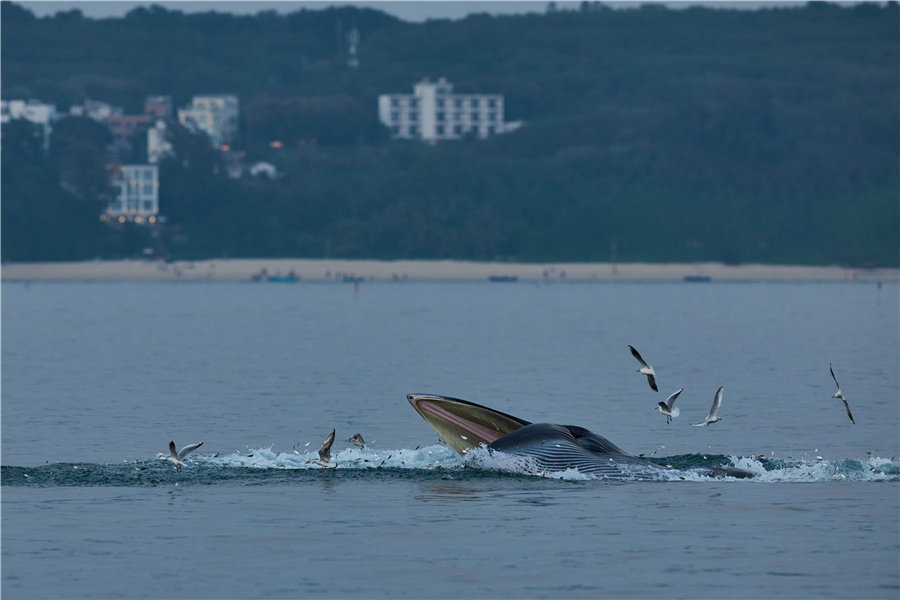
The fauna of Weizhou Island is as diverse as its flora, with a range of species that inhabit the island's varied ecosystems. The island is home to numerous bird species, making it a popular destination for bird watchers. Many migratory birds visit the island, taking advantage of its strategic location along migratory routes and its rich food resources.
Marine life around Weizhou Island is abundant, thanks in large part to the healthy coral reefs that surround much of the island. These reefs provide a habitat for a myriad of marine organisms, including various species of fish, crustaceans, and mollusks. The coral reefs are a critical part of the South China Sea's marine ecosystem, characterized by high biodiversity and productivity.
Terrestrial wildlife on the island includes several species of reptiles and small mammals that are adapted to the island's unique environment. These animals have evolved to thrive in the volcanic terrain and subtropical climate, contributing to the island's ecological balance.
The conservation of Weizhou Island's biodiversity is of paramount importance, given the ecological significance and the threats posed by human activities and climate change. Efforts are being made to preserve the island's natural habitats and to promote sustainable tourism practices that minimize environmental impact while allowing visitors to appreciate the island's natural beauty. Photo Gallery(2 pictures)CategoriesTourismTagIsland TourismNatural WonderRelatedSouth Bay Crocodile Mountain Scenic Area of Weizhou IslandCatalogue1. Introduction2. Biodiversity- - - []








